Sunscreen: How to Choose and Use It Properly
Daily sunscreen is the single most effective step for preventing skin cancer, dark spots and early aging. Here is how to choose one you will actually wear and how to use it properly.
Written and medically reviewed by Dr. Danny Guo, MD, FRCPC, FAAD, board-certified dermatologist✓ Reviewed Nov 2026 · 16 Shorts
Key takeaways
- Use a broad-spectrum sunscreen with SPF 30 or higher every day on all exposed skin.
- Apply enough: about two finger-lengths for the face and neck, and reapply every two hours outdoors.
- The best sunscreen is one you like enough to use daily, whether mineral or chemical.
- There is no safe tan. Base tans offer little protection, and sunbed use raises the risk of melanoma.
- Makeup with SPF is not enough on its own. Wear a dedicated sunscreen underneath.
How do you choose a sunscreen?
Look for three things on the label: broad-spectrum protection, which covers both UVA and UVB rays; an SPF of 30 or higher; and water resistance if you will be swimming or sweating. In Canada, sunscreens are regulated by Health Canada.
Mineral sunscreens use zinc oxide or titanium dioxide and are often better tolerated by sensitive skin. Chemical sunscreens absorb UV and tend to feel lighter and leave less white cast. Both work well, and many Korean and European sunscreens use newer filters that feel elegant on the skin.
Higher SPF numbers add a little more protection, but how much sunscreen you apply matters more than the number on the bottle. The best sunscreen is the one you like enough to wear every day.


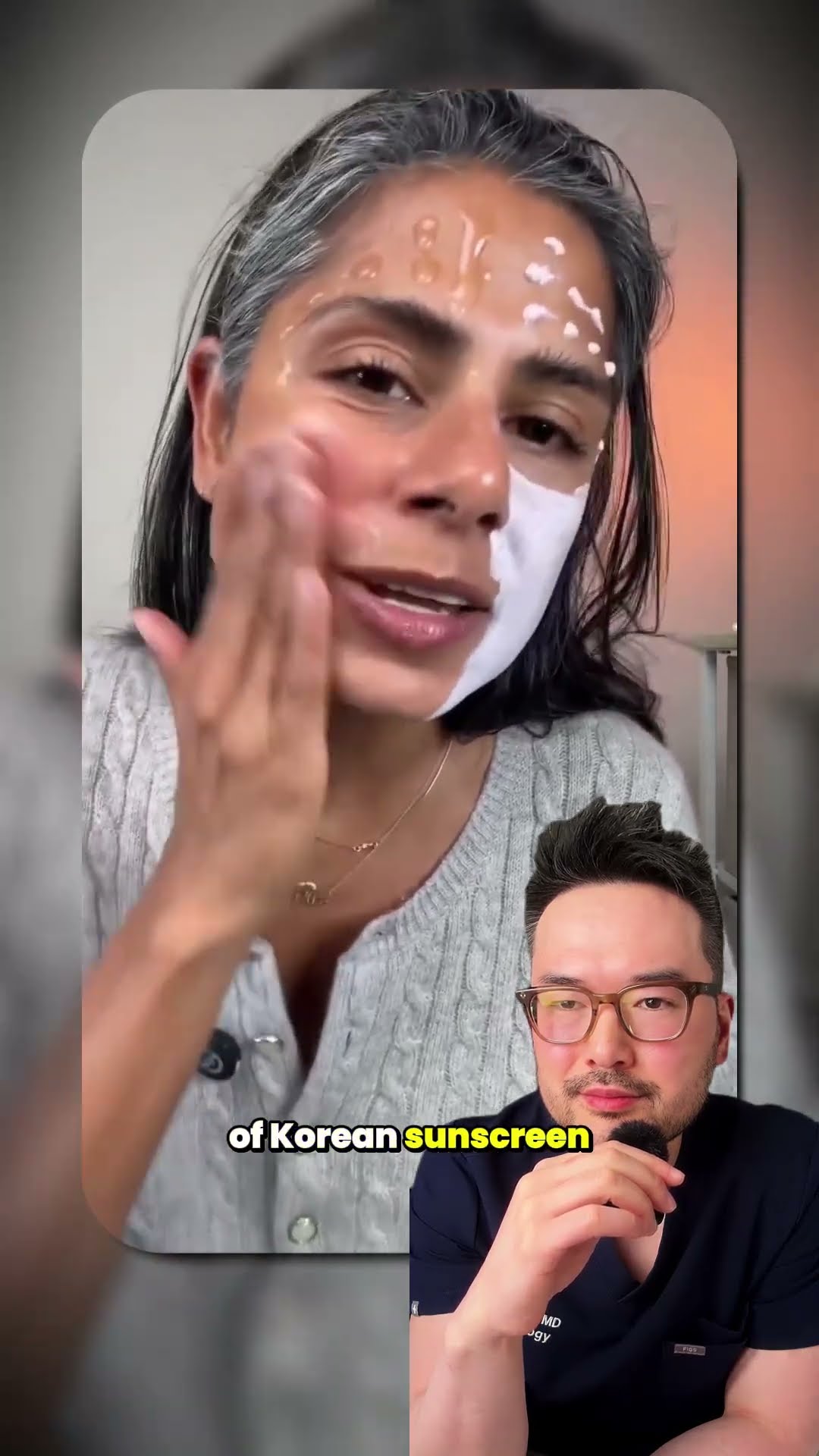

How much sunscreen should you use?
Most people apply only a quarter to half of the amount used in SPF testing, so they get far less protection than the label says. A good rule is about two finger-lengths for the face and neck, and about a shot glass (30 mL) to cover the body.
Apply sunscreen as the last step of your morning routine, before makeup, and give it a few minutes to set. Do not forget your ears, the back of your neck, your hairline, the tops of your feet and the backs of your hands. A long-handled applicator helps with your back.
Reapply every two hours when you are outdoors, and right after swimming, sweating or towelling off. Shade, a wide-brimmed hat, UV-blocking sunglasses and clothing add protection that sunscreen alone cannot provide.


Is any tan safe?
A tan is the skin's response to DNA damage from ultraviolet light. There is no such thing as a safe tan, and a base tan provides only minimal protection, roughly equal to a very low SPF.
Indoor tanning beds emit concentrated ultraviolet radiation and are linked to a higher risk of melanoma and other skin cancers, especially when people start using them young. Sunless tanning lotions and sprays are a much safer way to get a tanned look, though they do not protect against the sun.
Check the UV index each day. When it is 3 or higher, sunscreen, shade, a hat and sunglasses all matter, even on cool or cloudy days, because most UV passes through clouds.
Quick answers · 4 Shorts


Common sunscreen myths
Makeup and moisturizers with SPF rarely give the protection on the label, because people use far less than the amount used in testing. Wear a dedicated sunscreen underneath and treat SPF makeup as a bonus.
People with darker skin still need sunscreen. Melanin offers some natural protection, but it does not prevent sun damage, uneven pigmentation or skin cancer.
We live longer and spend our time very differently than our ancestors did, so their habits are not a useful guide. Sun protection today is about preventing skin cancer and early aging over a long lifetime.



Frequently asked questions
Is SPF 30 or SPF 50 better?
SPF 30 blocks about 97% of UVB rays and SPF 50 blocks about 98%. Both are good choices for daily use. SPF 50 is helpful for long days outdoors, fair or sun-sensitive skin, and conditions like melasma, but applying enough matters more than the number.
Do I need sunscreen on cloudy days or indoors?
Yes on cloudy days, because most UV passes through clouds. Indoors, UVA can pass through windows, so sunscreen is worthwhile if you sit near a window for long periods or drive often.
Is mineral or chemical sunscreen better?
Both protect well when applied properly. Mineral sunscreens with zinc oxide or titanium dioxide are often better for sensitive skin and children, while chemical sunscreens usually feel lighter and rub in more easily. Choose the one you will wear every day.
How often should I reapply sunscreen?
Every two hours when you are outdoors, and right after swimming, heavy sweating or towelling off. If you are mostly indoors, reapplying before you head outside, such as at lunch, is a practical approach.
Is sunscreen safe?
Yes. Health Canada reviews the safety of sunscreen ingredients, and the proven benefit of preventing skin cancer and sun damage far outweighs the theoretical concerns that circulate online. Mineral sunscreens are an option if you prefer them.
When to see a dermatologist
See a dermatologist if you notice a spot that is new, changing, bleeding or not healing, or if you have had many sunburns or regular indoor tanning and want a skin check.
In Calgary?
Dr. Guo sees patients at Rejuvenation Dermatology. Learn more at calgaryderm.com.
Sources
Educational content only. It is not medical advice and does not replace an assessment by your own doctor or dermatologist.


