Acne Treatment: What Actually Works
Acne starts when oil and dead skin cells block a pore and inflammation follows. Here is what actually helps, in the order a dermatologist would try it.
Written and medically reviewed by Dr. Danny Guo, MD, FRCPC, FAAD, board-certified dermatologist✓ Reviewed Nov 2026· 2 full videos · 16 Shorts
Key takeaways
- Acne is driven by extra oil, clogged pores, acne bacteria and inflammation. The best treatments target more than one of these.
- Benzoyl peroxide, salicylic acid, azelaic acid and topical retinoids have the strongest evidence.
- Give a new routine 8 to 12 weeks before judging it, and use one or two active ingredients rather than many.
- Red or brown marks fade with time and sunscreen. True scars change the skin's texture and need in-clinic treatment.
- See a dermatologist early for painful, deep or scarring acne.
What causes acne?
Acne starts inside the hair follicle, the tiny pore that also holds an oil gland. Four things work together: the gland makes extra oil, often driven by hormones; dead skin cells become sticky and plug the pore; acne bacteria multiply in that oily space; and the immune system reacts, turning a quiet clog into a red, tender bump.
That is why acne looks different from person to person. Blackheads and whiteheads are clogged pores with little inflammation. Red bumps and pus bumps are inflamed. Deep, painful nodules and cysts sit lower in the skin and are the type most likely to leave scars.
Hormones, genetics, stress, heavy or pore-clogging products, and friction from helmets, masks or tight clothing can all make acne worse. Some bumps that look like acne are something else entirely, such as sebaceous filaments, fungal folliculitis or rosacea, which is why the right diagnosis matters.
Full video · 12 min
Everything To Know About Acne




Which acne treatments actually work?
Four ingredients have the strongest evidence. Benzoyl peroxide kills acne bacteria without leading to antibiotic resistance. Salicylic acid helps clear clogged pores. Azelaic acid calms inflammation and fades the dark marks acne leaves behind. Topical retinoids keep pores from clogging in the first place and are the backbone of most acne treatment plans.
Most people do best with one or two of these used consistently, not all four at once. A simple plan is a gentle cleanser, a benzoyl peroxide or salicylic acid product, a retinoid at night, a non-comedogenic moisturizer, and sunscreen in the morning. Start slowly, every second night, and build up as your skin allows.
Expect 8 to 12 weeks before judging results, and some dryness or a mild flare in the first few weeks. If over-the-counter treatment is not enough, or acne is leaving marks or scars, a dermatologist can add prescription creams, oral treatment or in-clinic procedures.


How do you treat body and back acne?
Chest and back acne responds to the same ingredients as facial acne, but the skin is thicker and harder to reach. A benzoyl peroxide wash in the shower is an easy place to start: lather it on, leave it for a minute or two, then rinse. Benzoyl peroxide can bleach fabric, so use white towels.
Change out of sweaty workout clothes soon after exercise and choose breathable fabrics. Itchy, uniform bumps on the chest and back can be fungal rather than typical acne, and they need different treatment.
Picking and squeezing push inflammation deeper and raise the risk of dark marks and scars. Stress can also make breakouts worse, so sleep and a consistent routine matter more than most people expect.
Quick answers · 4 Shorts


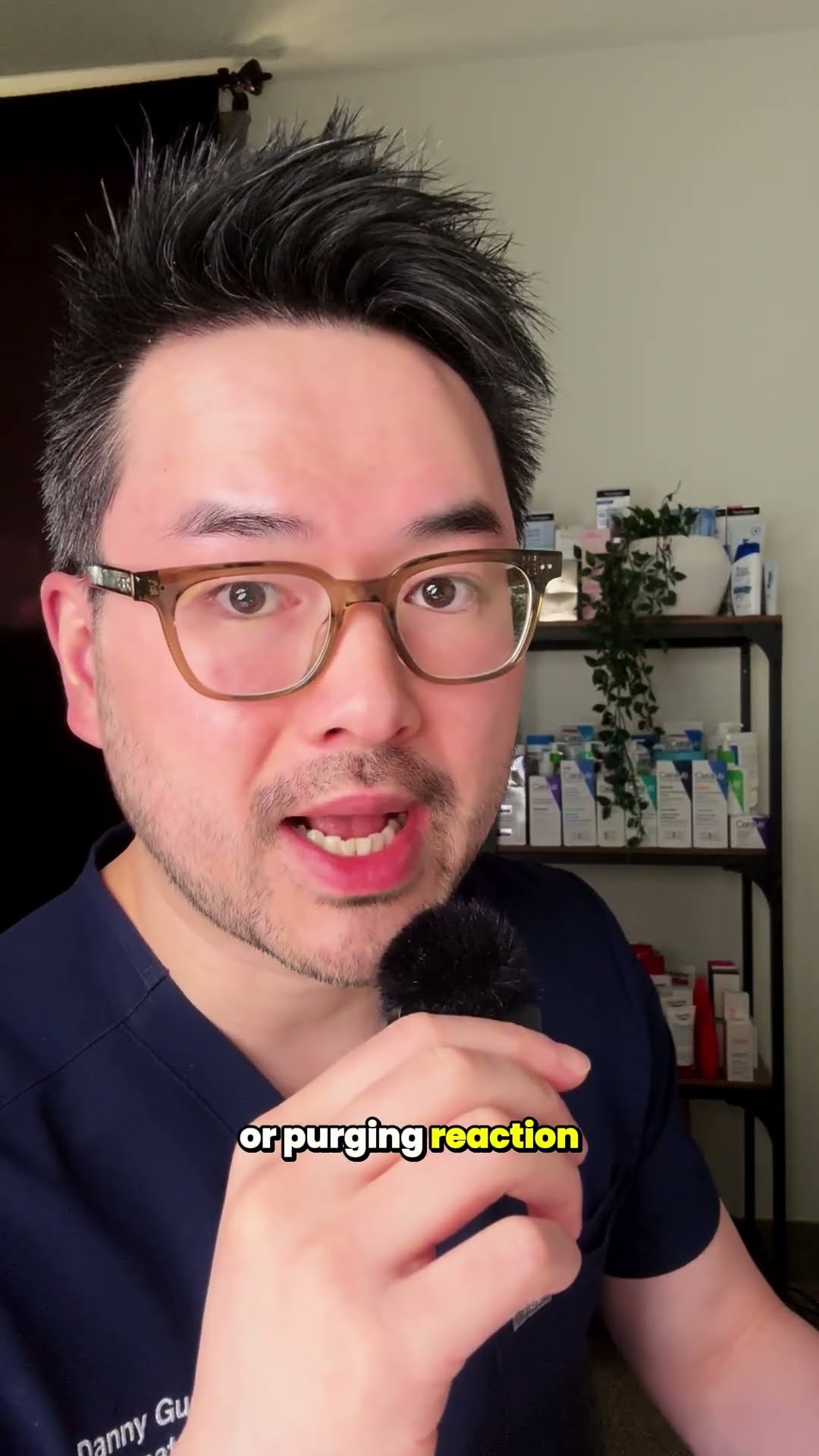
Acne scars vs dark marks: what's the difference?
After a pimple heals it often leaves a flat mark. Pink or red marks and brown marks are not scars. They fade on their own over several months, and faster with daily sunscreen and ingredients like azelaic acid, niacinamide or retinoids.
True scars change the texture of the skin. Depressed scars are often described as rolling, boxcar or icepick scars, and raised scars are more common on the chest, back and jawline. Skincare cannot rebuild lost collagen, so these usually need in-clinic treatment such as resurfacing lasers, microneedling, subcision or chemical peels, often in combination.
The best way to prevent scars is to treat acne early and effectively, especially deep or painful breakouts.
Full video · 14 min
Does Anua Azelaic Acid Actually Work?


Frequently asked questions
How long does acne treatment take to work?
Most acne treatments take 8 to 12 weeks to show their full effect, because a clogged pore forms over several weeks before a pimple appears. Skin can look slightly worse in the first few weeks as it adjusts. Keep going unless you have significant irritation, and see a dermatologist if there is no improvement after about three months.
Is it OK to pop pimples?
It is best not to. Squeezing pushes bacteria and inflammation deeper into the skin, which raises the risk of infection, dark marks and scarring. A hydrocolloid patch can protect a pimple that has come to a head, and a dermatologist can safely treat painful cysts.
Does diet cause acne?
Diet is not the main cause of acne, but research suggests that high-glycemic foods and, for some people, dairy and whey protein may make it worse. If you notice a pattern it is reasonable to cut back, but diet changes alone rarely clear acne.
Can I use benzoyl peroxide and a retinoid together?
Yes, they are a common and effective combination. To limit irritation, many people use benzoyl peroxide in the morning and a retinoid at night, along with a gentle moisturizer.
When should I see a dermatologist for acne?
See a dermatologist if your acne is painful or deep, is leaving dark marks or scars, has not improved after about three months of consistent over-the-counter treatment, or is affecting how you feel. Prescription treatments are very effective, and starting early helps prevent scarring.
When to see a dermatologist
See a dermatologist if your acne is painful, leaves scars or dark marks, has not improved after three months of consistent over-the-counter care, or is affecting how you feel. Prescription options work well and are worth starting early.
In Calgary?
Dr. Guo sees patients at Rejuvenation Dermatology. Learn more at calgaryderm.com.
Sources
- Reynolds RV, et al. Guidelines of care for the management of acne vulgaris. Journal of the American Academy of Dermatology, 2024.
- American Academy of Dermatology. Acne: Diagnosis and treatment.
- American Academy of Dermatology. Acne scars: Consultation and treatment.
- Meixiong J, et al. Diet and acne: A systematic review. JAAD International, 2022.
Educational content only. It is not medical advice and does not replace an assessment by your own doctor or dermatologist.


