
Mohs Surgery · August 4, 2026
Mohs Surgery: Precision Skin Cancer Care
How Mohs Removes Cancer While Preserving Healthy Skin
Mohs surgery is a highly specialized technique for treating certain skin cancers with exceptional precision. By removing cancerous tissue in thin layers and examining each layer under a microscope during the procedure, the surgeon can follow the cancer to its edges while preserving as much surrounding healthy skin as possible. This combination of thorough cancer removal and tissue preservation makes Mohs particularly valuable on the face and other areas where every millimetre matters.
Being diagnosed with skin cancer can understandably create a lot of questions.
Do I need surgery? How much skin will need to be removed? Will I have a scar? How do we know all of the cancer is gone?
Mohs micrographic surgery was developed to address several of these concerns in a very precise way. Instead of removing the visible cancer along with a predetermined margin of surrounding skin and sending the specimen away for later analysis, Mohs surgery combines surgery and microscopic examination during the same procedure.
The surgeon removes a thin layer of tissue, examines the surgical margins under a microscope, and returns to remove additional tissue only where cancer cells remain.
The process continues until the margins are clear.
This gives Mohs two important advantages: a very high likelihood of completely removing the cancer and the ability to preserve as much normal tissue as possible.
What Is Mohs Surgery?
Mohs surgery, or Mohs micrographic surgery, is a specialized form of skin cancer surgery performed in stages.
During the procedure, the visible tumour is removed along with a thin layer of surrounding tissue. That tissue is carefully mapped, processed, and examined under a microscope by the Mohs surgeon.
If cancer cells remain at any part of the margin, the map tells the surgeon precisely where they are located.
Rather than removing another wide margin from the entire surgical site, the surgeon can return specifically to the area where cancer remains.
Another thin layer is removed from that location and examined again.
This cycle continues until no additional cancer cells are identified at the margins.
It is this combination of microscopic margin examination and precise mapping that makes Mohs different from conventional skin cancer excision.
Why Is Mohs Surgery So Precise?
A skin cancer does not always grow in a neat, predictable circle.
What is visible on the surface may represent only part of the tumour. Microscopic extensions can sometimes grow outward or deeper into the surrounding tissue where they cannot be seen with the naked eye.
Mohs surgery allows the surgeon to follow those extensions.
The removed tissue is mapped so that if cancer is identified under the microscope, the surgeon knows exactly where to return.
This has an important practical benefit.
Healthy tissue does not need to be removed simply because cancer might be there.
Additional tissue is taken specifically where microscopic examination demonstrates that cancer remains.
That can be especially important in areas such as the nose, eyelids, ears, lips, hands, or other locations where preserving healthy tissue can have both functional and cosmetic benefits.
Which Skin Cancers Are Treated With Mohs Surgery?
Mohs is most commonly used for basal cell carcinoma and squamous cell carcinoma, particularly when a tumour has characteristics that make precise margin control especially valuable.
It may be recommended when a skin cancer:
- Occurs in an anatomically sensitive area
- Is large or has poorly defined borders
- Has an aggressive growth pattern
- Has returned after previous treatment
- Develops in or near scar tissue
- Is located where preserving healthy tissue is particularly important
Mohs can also be used for selected less-common skin cancers. Modified forms of microscopically controlled surgery may be considered for certain melanomas and other tumours in appropriate circumstances.
However, not every skin cancer requires Mohs surgery.
A small, low-risk tumour in an area where tissue preservation is less critical may be very appropriately treated with another method.
The decision depends on the type of skin cancer, its location, size, microscopic features, whether it has been treated previously, and characteristics specific to the individual patient.
Why Is Mohs Considered the Gold Standard?
Mohs surgery is frequently described as the gold standard for treating many high-risk skin cancers because it combines high cure rates with maximal preservation of healthy tissue.
The American College of Mohs Surgery reports success rates of up to 99% for appropriately selected skin cancers, although the exact cure rate depends on factors such as tumour type, whether it has been treated previously, and individual clinical circumstances.
No treatment can guarantee that a cancer will never recur.
What makes Mohs unusual is the degree to which the surgical margins are evaluated during the procedure. The Mohs technique is designed to examine the peripheral and deep margins of the removed tissue while maintaining a map that links what the surgeon sees under the microscope directly back to the surgical site.
This means the surgery can continue until the surgeon has microscopic evidence that the margins are clear.
What Happens on the Day of Mohs Surgery?
Mohs surgery is generally performed as an outpatient procedure using local anesthetic.
You are normally awake throughout the procedure and can communicate with the surgical team.
The process typically occurs in several stages.
1. The Area Is Numbed
The treatment area is cleaned and local anesthetic is injected around the skin cancer.
This allows the procedure to be performed without general anesthesia in most cases.
2. The First Layer Is Removed
The surgeon removes the visible tumour and a thin layer of tissue around and beneath it.
The area is then temporarily bandaged while the tissue is prepared for microscopic examination.
3. The Tissue Is Mapped and Examined
The removed tissue is carefully oriented and mapped so the surgeon knows exactly where each portion came from.
It is then processed into microscope slides.
The Mohs surgeon examines the margins for remaining cancer cells.
This part of the procedure takes time, which is why patients often spend considerably more time waiting for tissue processing than they do having tissue removed.
4. Additional Tissue Is Removed if Necessary
If cancer cells are found at a margin, another small layer of tissue is removed specifically from that location.
The tissue is processed and examined again.
This continues until the surgeon no longer detects cancer at the margins.
For some tumours, only one stage is required. Others require multiple stages.
There is no reliable way to predict exactly how many stages will be needed before surgery begins because part of the purpose of Mohs is to identify microscopic tumour extensions that cannot be seen clinically.
How Long Does Mohs Surgery Take?
Patients should generally plan for the procedure to take several hours, although the actual duration varies considerably.
Much of this time is spent waiting while each layer of tissue is prepared and examined.
If additional cancer is detected, another stage is performed and the process repeats. Reconstruction of the surgical wound may also add time to the appointment.
For that reason, it is usually best not to schedule Mohs surgery around a tightly packed day.
The goal is precision, not speed.
What Happens After the Cancer Is Removed?
Once the margins are clear, attention shifts from cancer removal to reconstruction and healing.
There are several possibilities.
Depending on the size, depth, and location of the wound, your surgeon may recommend:
- Allowing the wound to heal naturally
- Closing it directly with stitches
- Repairing it with a skin flap
- Using a skin graft
- Occasionally coordinating reconstruction with another surgeon
There is no single closure method that is best for every Mohs wound.
The objective is to select a repair that supports healing while preserving function and achieving the best reasonable cosmetic result for that particular location.
Will Mohs Surgery Leave a Scar?
Yes.
Any procedure that removes a skin cancer deeply enough to treat it will leave some form of scar.
Mohs surgery does not eliminate scarring. Its advantage is that it removes only as much healthy tissue as necessary to clear the cancer, which can help keep the surgical defect as small as reasonably possible.
Scars also change considerably during the healing process.
Early scars can look red, firm, raised, or more noticeable than expected. Over the following months, they generally soften and mature. The American College of Mohs Surgery notes that final scar maturation can take a year or longer.
For most patients, the immediate priority is complete cancer removal.
Once healing is underway, the cosmetic appearance of the scar can be reassessed and, where appropriate, additional scar treatments can be discussed.
Why Experience Matters
Mohs surgery requires the physician to perform several highly specialized roles during the same procedure.
The Mohs surgeon removes the tumour, maps the tissue, interprets the microscopic slides, determines whether additional tissue needs to be removed, and frequently performs the reconstruction afterward.
This combination of dermatologic surgery, pathology, facial anatomy, and reconstructive technique is what makes Mohs a distinct surgical discipline.
Particularly when treating skin cancer on the face or other anatomically sensitive locations, the objective is not simply to remove a lesion.
It is to remove the cancer completely while preserving as much normal anatomy and function as possible.
What Should You Expect After Mohs Surgery?
Your post-operative instructions will depend on the size, location, and method used to repair the wound.
You may have swelling, bruising, tenderness, or some temporary restriction around the surgical area during the early healing period.
Your surgical team will provide instructions for wound care and let you know when follow-up or removal of stitches is required.
It is important to follow those instructions carefully rather than applying unrecommended products or altering dressings prematurely.
A history of skin cancer also means that ongoing skin surveillance remains important. Treating one tumour does not prevent a new skin cancer from developing elsewhere.
Precision Where It Matters Most
The concept behind Mohs surgery is remarkably straightforward:
Remove the cancer. Preserve everything that does not need to be removed.
What makes the technique sophisticated is the precision required to accomplish those two goals simultaneously.
By examining the surgical margins during the procedure and returning only to areas where cancer remains, Mohs allows the surgeon to treat certain skin cancers thoroughly while minimizing unnecessary loss of healthy tissue.
That combination of oncologic effectiveness, tissue preservation, and reconstructive planning is why Mohs surgery has become such an important treatment for skin cancers occurring on the face and other sensitive areas.
If you have been diagnosed with skin cancer, the appropriate treatment depends on the specific diagnosis, location, pathology, and your individual circumstances. A consultation with a dermatologist or Mohs surgeon can help determine whether Mohs surgery is the right approach for you.
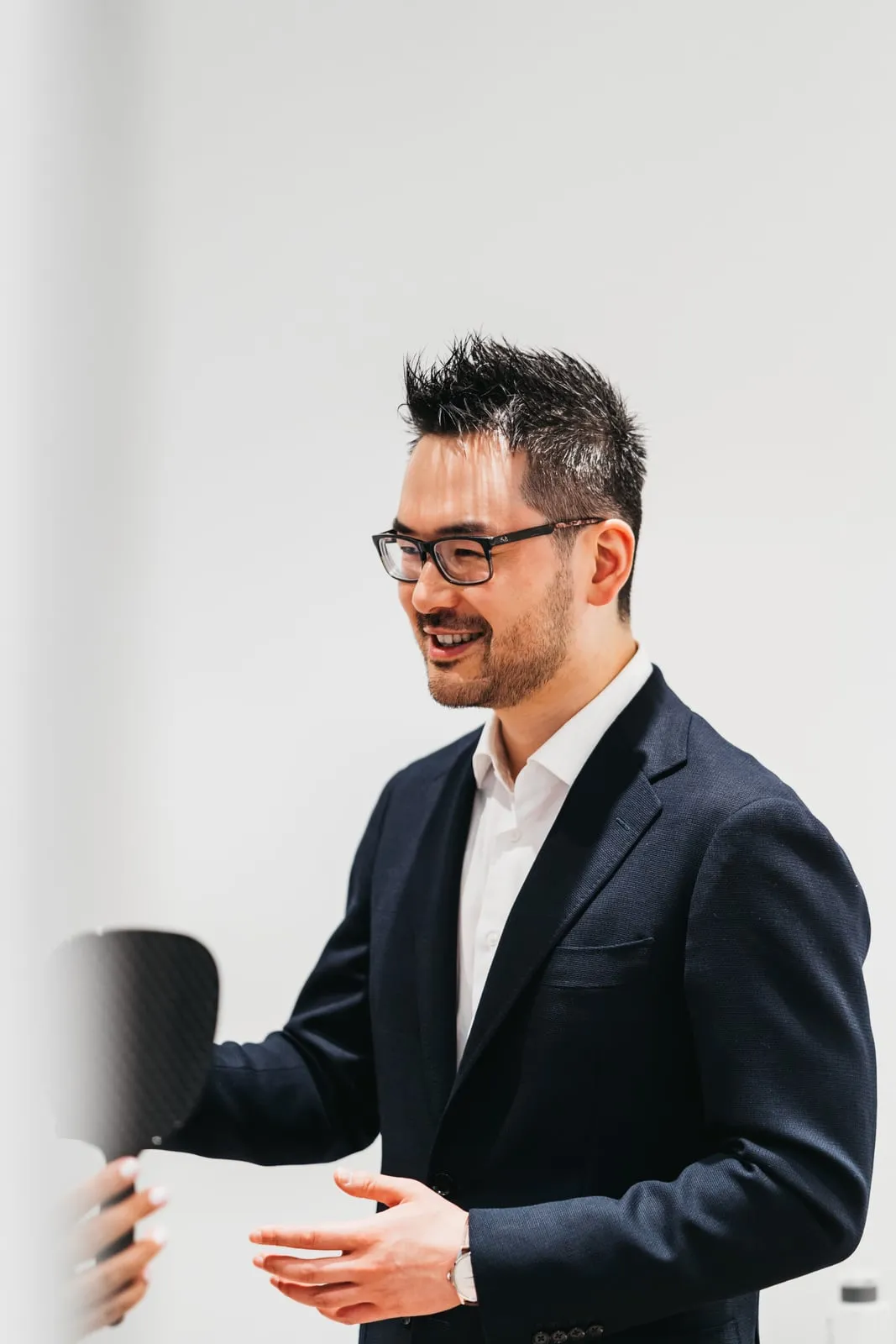
About the Author
Dr. Danny Guo, MD
BSc (Hons) · MD · FRCPC Dermatology · Fellowship in Mohs Micrographic Surgery & Dermatologic Oncology
Dr. Danny Guo is a board-certified dermatologist and fellowship-trained Mohs surgeon practicing in Calgary, Alberta. He completed his medical degree at the University of Calgary, his dermatology residency at the University of British Columbia, and advanced fellowship training in Mohs micrographic surgery and complex reconstruction at the University of Toronto. In addition to his clinical practice, Dr. Guo is a national speaker, clinical researcher, and digital educator with over 1.3 million followers across social media platforms.
Learn more about Dr. Danny Guo →Professional Inquiries
Professional & Media Inquiries
For media inquiries, expert commentary, speaking opportunities, sponsorships, collaborations, or general professional inquiries, please contact Dr. Guo's team.